
For many international families, the decision to relocate is rarely driven by a single factor. Lifestyle, security, taxation, and connectivity all play a role. Yet, beneath these considerations, there is often a quieter but more decisive motivation: the education of their children.
In recent years, Spain has increasingly positioned itself not simply as a destination, but as a strategic base for globally minded families. Beyond its climate and cultural appeal, it offers something more subtle and, in many cases, more valuable — an environment in which children can grow with balance, perspective, and international exposure.
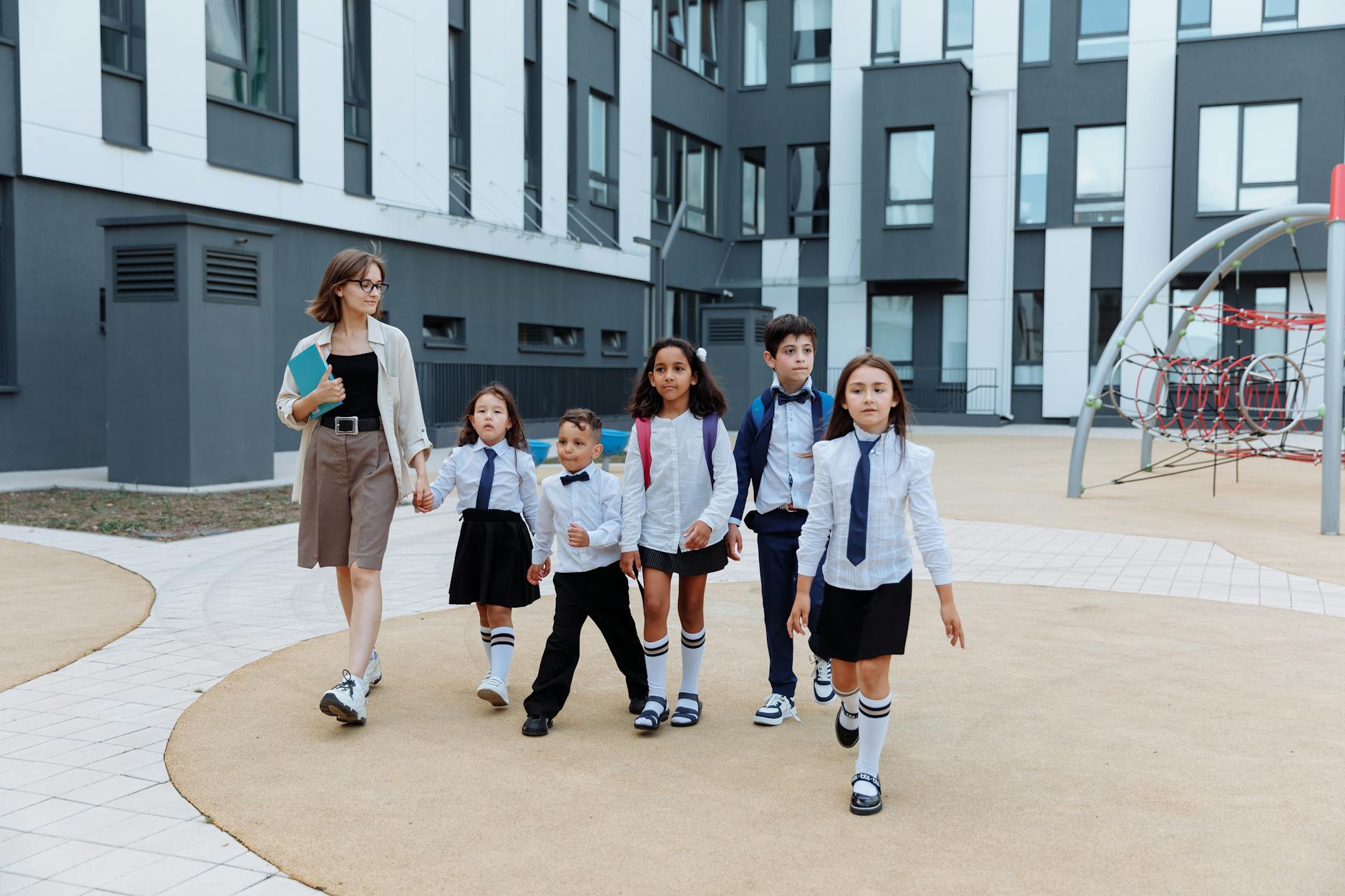
Education in Spain, particularly within its network of leading international schools, reflects this combination. Institutions such as King’s College School Madrid, The British School of Barcelona, or Aloha College Marbella are not simply academic centres. They are ecosystems. Students are educated in multilingual environments, often following British or international curricula, while being immersed in a broader European culture that encourages adaptability and global awareness.
What increasingly attracts sophisticated families is not only academic performance, but context. In Spain, education is not isolated from life; it is integrated into it. Children grow up in environments that combine academic rigor with quality of life, where time is not solely structured around performance, but also around development. This balance, which can be difficult to find in more traditional education hubs, is becoming a defining factor.
There is also a social dimension that is often underestimated. International schools in Spain tend to attract families from diverse backgrounds — entrepreneurs, investors, executives, and professionals with global careers. For children, this creates an early exposure to international networks and perspectives that extend far beyond the classroom. These relationships, formed at a young age, often become part of a long-term personal and professional ecosystem.
At the same time, Spain offers a sense of stability that is particularly valued by international families. Safety, healthcare, and a strong infrastructure contribute to an environment where families can establish themselves with confidence. This allows parents to focus not only on their own professional or investment activities, but also on the long-term development of their children.
From a strategic perspective, education becomes more than a personal choice; it becomes part of a broader family planning decision. Where children are educated often influences where families spend their time, how they structure their assets, and how they connect with different jurisdictions. In this sense, choosing Spain is not only about the present, but about positioning the next generation within a European and global framework.
This shift in perspective is increasingly visible among ultra-high-net-worth families. The question is no longer simply where to invest or where to reside, but where to build a coherent environment for the family as a whole. Education sits at the centre of that decision.
Spain, in this context, offers a compelling answer. Not as a substitute for traditional education centres, but as an alternative that combines academic quality with a broader vision of life. For families thinking in generational terms, that combination is not incidental — it is strategic.